Venus
- Original dimensions
- 80 x 40.3 cm
- Museum
- Stenersen Museum
- Year
- 1904
Scene depicted
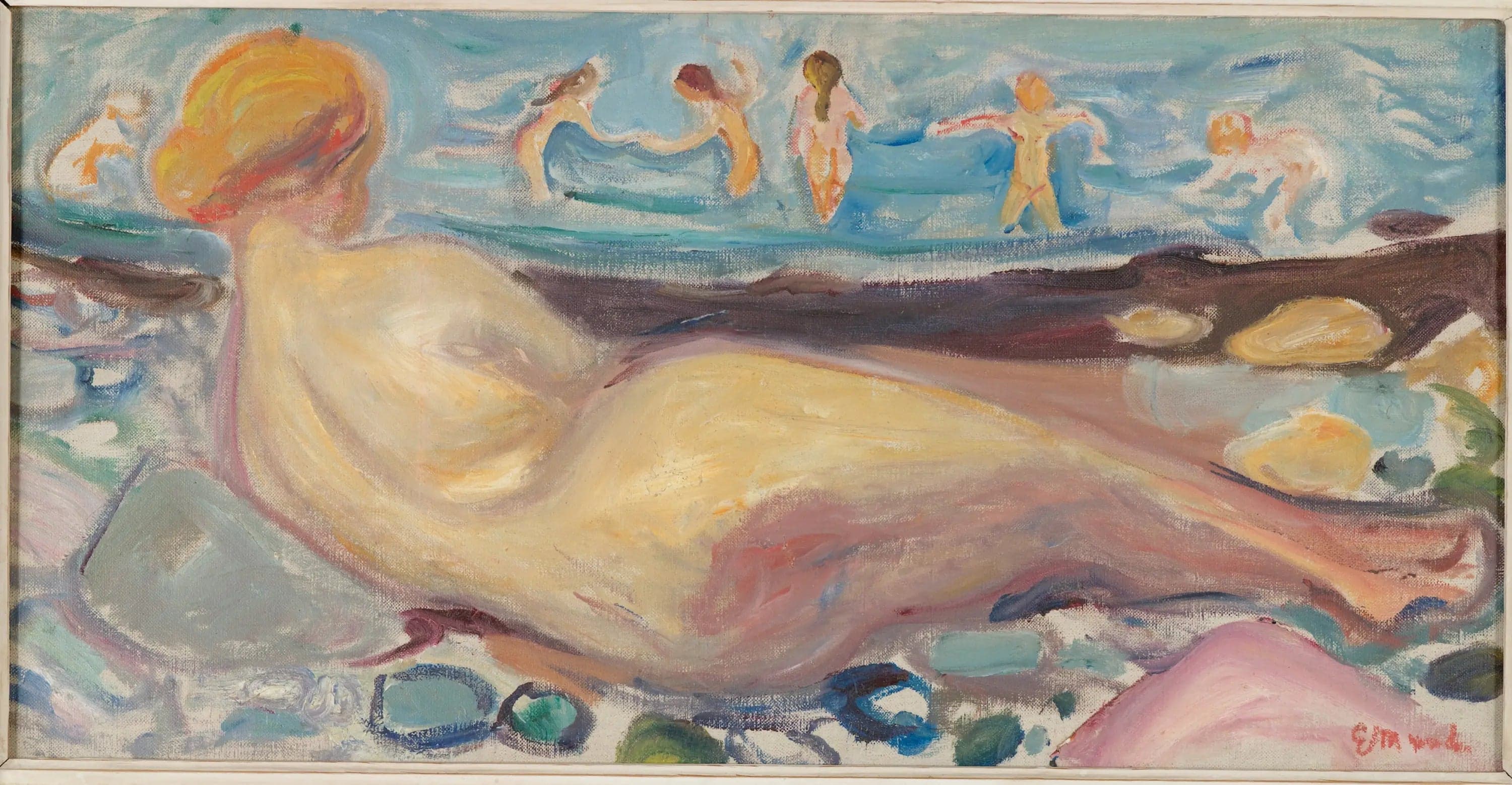
The painting "Venus" by Edvard Munch represents a female figure in deep contemplation, both sensual and melancholic. The composition evokes the sublime beauty of woman, while highlighting the depth of human emotions, where desire and vulnerability intertwine in a silent dialogue.
Historical context
Created in 1904, this painting was born in the vibrant atmosphere of Oslo, Norway, a testament to an era marked by symbolism . The canvas captures the very essence of a movement in full swing, while majestically evolving at the Stenersen Museum, where it is offered to the amazed gazes of visitors.
Place in the artist's career
Presented as a centerpiece of Munch's artistic consciousness, this painting marks a turning point in his career. Compared to works such as "The Scream" and "The Madonna," "Venus" demonstrates an evolution in his approach to themes related to love and suffering, offering an emotional richness that is still palpable.
Anecdote
Edvard Munch once stated: "Art must be a reflection of the deepest human feelings." It was at the moment he observed the light of a spring morning on a woman's face that he seized the inspiration for this masterpiece . The emotions translated in the painting still resonate in this pictorial work .
Major exhibitions
Kan hende er det vakkert. Art collector Rolf Stenersen