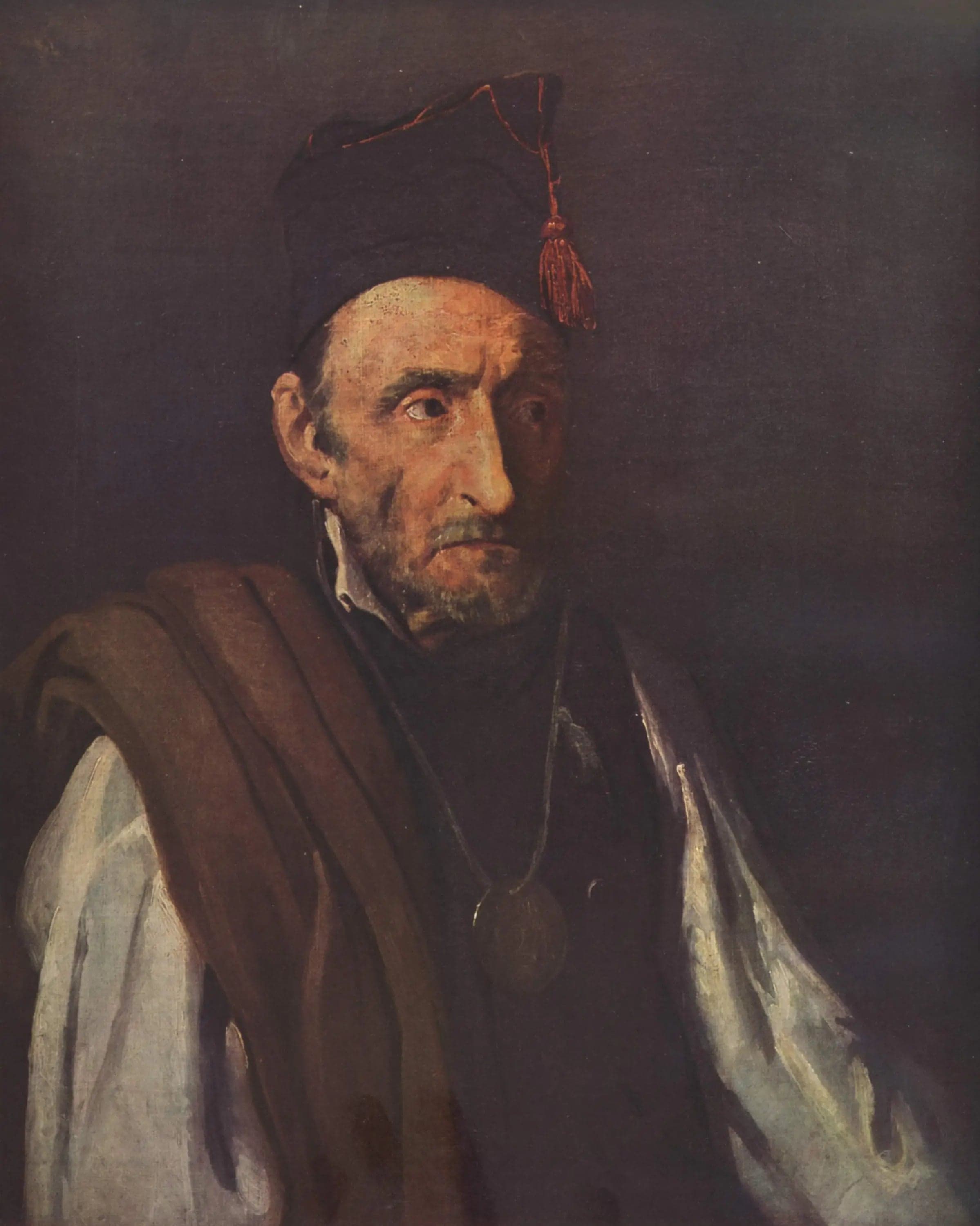
The Monomaniac of Military Command
- Original dimensions
- 65 x 81 cm
- Museum
- Oskar Reinhart Museum "Am Römerholz"
- Year
- 1850
Scene depicted
The painted scene represents a man lost in thought, an essence of command that transcends his time. Géricault, through his technical mastery, depicts a character that is both powerful and vulnerable, trapped in an inner struggle. The eyes carry a palpable weight, testifying to internal conflicts and unfulfilled ambitions. This pictorial work thus becomes a mirror of the soul, revealing the tensions between duty and passion.
Historical context
Created in 1850, this painting is part of the artistic movement of romanticism , emerging from the tumultuous era of the 19th century, specifically in Paris. It was during this time that Géricault was able to capture the torments of the human soul, shaping his canvas with striking intensity. Currently, this canvas resides in the prestigious Oskar Reinhart Museum, offering visitors a dive into the complexities of the human condition through his art. Each dimension of the work, measuring 65 x 81 cm, draws the eye and invites contemplation.
Place in the artist's career
Positioning The Monomaniac of Military Command at the heart of his artistic journey, it marks a significant turning point towards a deeper exploration of themes of human anguish. Evolving from a previous canvas , such as “ The Raft of the Medusa ”, this achievement reflects a stylistic and emotional maturation. It echoes another romantic work, “ The Charge of the Cavalry ”, where Géricault pushes further his exploration of the tragic dynamics of man.
Anecdote
“Painting is the echo of human passions,” Géricault is said to have remarked while facing a vibrant scene. This masterpiece is believed to have come to life on a misty morning in Paris, where a chance encounter with a solitary military command inspired the artist to immortalize the inner struggle of a man against authority. This vision, imbued with tension, resonates deeply in The Monomaniac of Military Command , reactivating a universal sensitivity to the struggle against societal expectations.