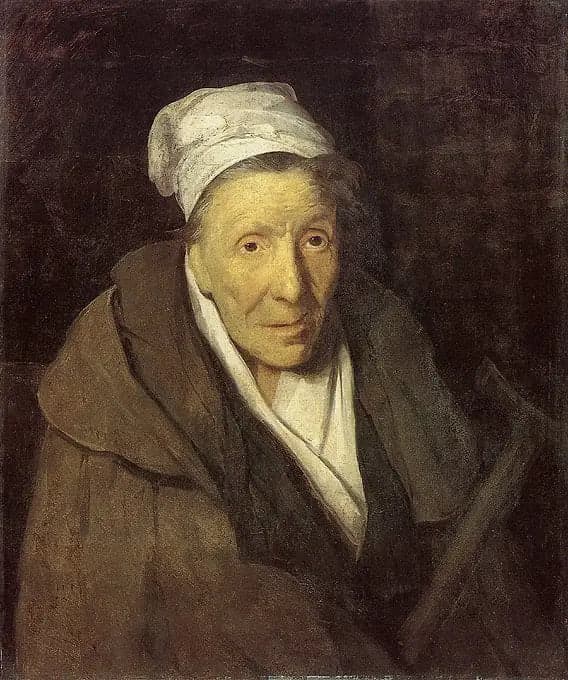
The Monomania of the Game
- Original dimensions
- 64.5 x 77 cm
- Museum
- room 941
- Year
- 1820
Scene depicted
In this canvas , Géricault depicts the tragic obsession of a man lost in the world of gambling. The scene captivates with its intensity, revealing a face marked by passion and anguish. Each expression transcends mere entertainment, highlighting the dangers of addiction and isolation, thus imbuing the masterpiece with profound psychological resonance.
Historical context
Created in 1820 in the vibrant city of Paris, this painting is part of the romantic movement, a time when human emotions took center stage in the artistic scene. The Monomaniac of Gambling , now housed in room 941, offers a poignant reflection of the societal concerns of its time while revealing the artistic richness of the early 19th century.
Place in the artist's career
The Monomaniac of Gambling represents a pivotal moment in Géricault's career, oscillating between promise and constraint. It lies at the heart of his assertion period, akin to his iconic works such as The Raft of the Medusa and The Hunter , complementing them with an exploration of unstable emotions, reflecting the stylistic and emotional evolution of the artist.
Anecdote
It is said that Géricault was inspired by the repeated human tragedies and social imbalances he observed around him. "Painting is a silent scream," he might have claimed one foggy morning, as he contemplated the solitude of the gambler. This moment of introspection permeates the evocative power of The Monomaniac of Gambling .