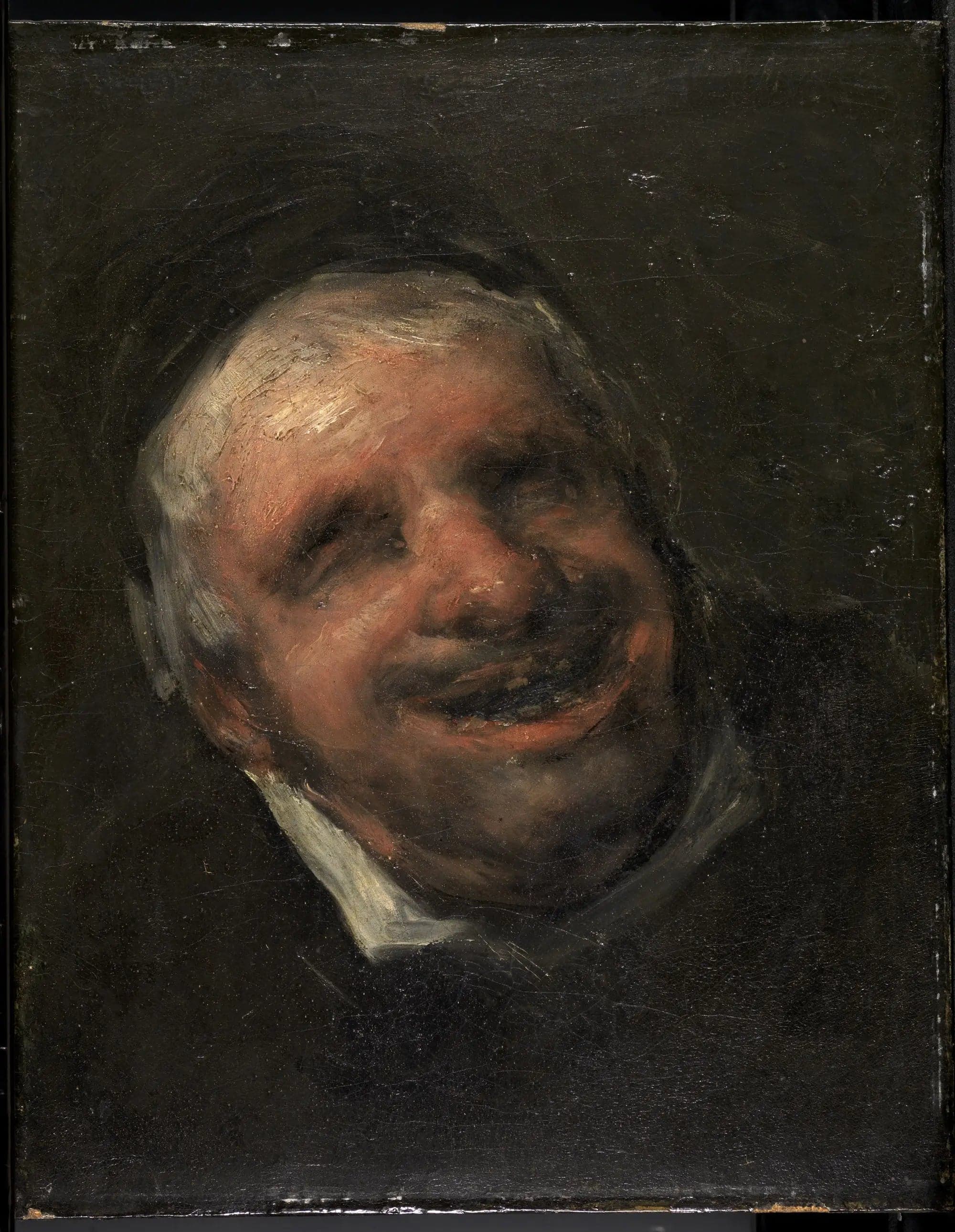
The Little Package
- Original dimensions
- 31.1 x 39.1 cm
- Museum
- Thyssen-Bornemisza Museum
- Year
- 1820
Scene depicted
In The Little Package , Goya depicts a young boy whose sparkling and mischievous gaze recalls the innocence of childhood. The central character, simply dressed yet wearing a radiant smile, evokes an irrepressible joy, a zest for life, reflecting the ephemeral moments felt deep within. The painting awakens in us a nostalgia for childhood memories, opening a window to a world where imagination reigned supreme.
Historical context
Created in 1820 in the captivating city of Madrid, The Little Package is part of the Romanticism movement, an artistic trend that marked the period from the late 18th to the early 19th century. This painting , currently exhibited at the Thyssen-Bornemisza Museum, not only showcases Goya's creative genius but also reflects the cultural richness of Spain at that time. Through each brushstroke, the artist captures the very essence of an era, propelling the viewer into the heart of this unique painting.
Place in the artist's career
The Little Package represents a mature phase in Goya's career, following significant works such as The Pregnancies and The Family of Carlos IV . This painting illustrates not only the artist's technical evolution but also his ability to capture the heart and soul of his subjects. Goya gradually moves away from the conventions of his time to embrace a more intimate and psychological representation.
Anecdote
Francisco de Goya once claimed: "Each canvas is a reflection of our soul, it whispers silent stories to attentive ears." Imagine him in his studio, a golden spring light filtering through the windows, gazing at a mischievous child with a bright face. It is this fleeting encounter that inspired The Little Package , where every detail resonates with emotion and authenticity.