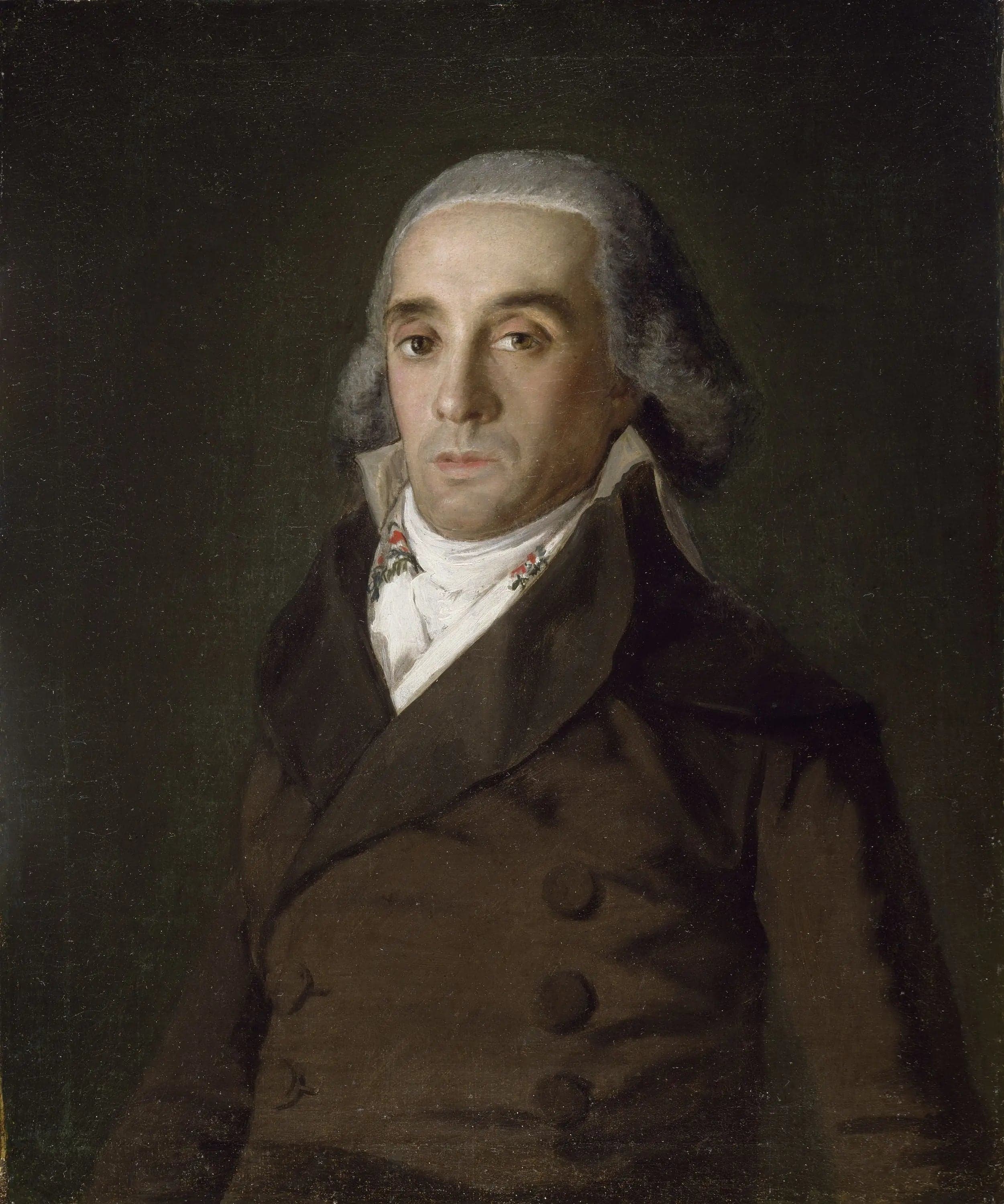
The Count of the Tagus
- Original dimensions
- 51 x 61 cm
- Museum
- National Gallery of Ireland
- Year
- 1800
Scene depicted
This canvas immerses us in the intimacy of the Count of Tajo, a Spanish nobleman wrapped in layers of personal and political stories. His posture, at the center of the canvas, radiates dignity while revealing a delicate melancholy, resulting from the struggles of his time. Goya manages to capture this dichotomy through a composition rich in emotions.
Historical context
Created in 1800, this painting is emblematic of the artistic framework of Madrid, where Goya expressed his genius at the heart of the romantic movement. In this cultural effervescence, light and shadow intertwine, producing poignant nuances over the centuries. Currently, this canvas is carefully preserved at the National Gallery of Ireland .
Place in the artist's career
“The Count of Tajo” marks a turning point in Goya's career, signaling the peak of a distinctive style. In parallel, other works like “La Maja Desnuda” and “Saturn Devouring One of His Sons” illustrate his evolution, transitioning from a neoclassical style to a deeper and more expressive intensity.
Anecdote
“Every brushstroke is a revealed thought,” Goya said, inspired by a spring morning with the scent of citrus. That day, the encounter of a fleeting gaze allowed him to capture the essence of a man with a tragic fate, offering him the opportunity to immortalize the human soul in the masterpiece that is The Count of Tajo.