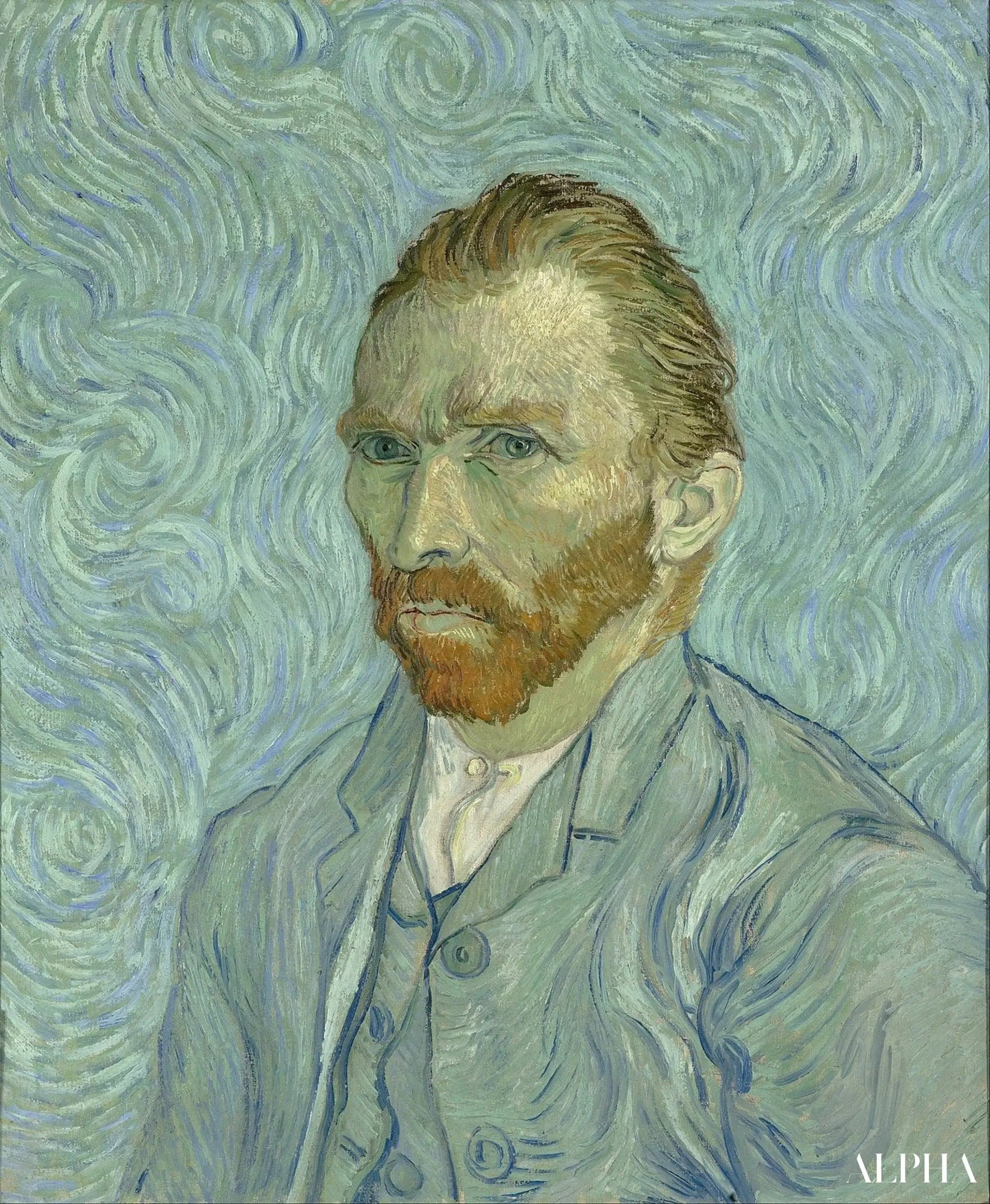
Self-portrait
- Original dimensions
- 14 x 19 cm
- Museum
- Van Gogh Museum
- Year
- 1887
Scene depicted
This painting illustrates a poignant introspection where the artist responds to himself. Van Gogh's penetrating gaze, accentuated by expressive brush strokes, calls to us. Each nuance of color is an invitation to explore the complexity of the artist's personality, a man both vulnerable and fearless, facing his own demons through this revealing pictorial work.
Historical context
Created in Paris , during a vibrant period of artistic effervescence, Self-Portrait stands at the crossroads of Impressionist and Post-Impressionist movements. This painting emblematic of Vincent van Gogh immerses us in an atmosphere where the individuality of the artist emerges amidst a bustling world, before being preserved within the Van Gogh Museum in Amsterdam, where its influence continues to delight art lovers.
Place in the artist's career
Self-Portrait represents a crucial milestone in the career of Vincent van Gogh , marking a period of maturity. This painting stands out for its unique technique, contrasting with works such as The Sunflowers and The Starry Night , illustrating Van Gogh's emotional evolution. From his search for vibrant colors to the psychological depth of his self-portraits, each painting reveals a chapter of his tumultuous existence.
Anecdote
Van Gogh reportedly stated, during the creation of this masterpiece : “I am in a quest for light, and all my paintings are a mirror of my soul.” Imagine a spring morning, the sun struggling to break through the clouds, where the face of the painter, marked by intense passions and a quest for meaning, comes to life on his canvas. This emotion is deeply embodied in Self-Portrait , reflecting his torment and search for authenticity.