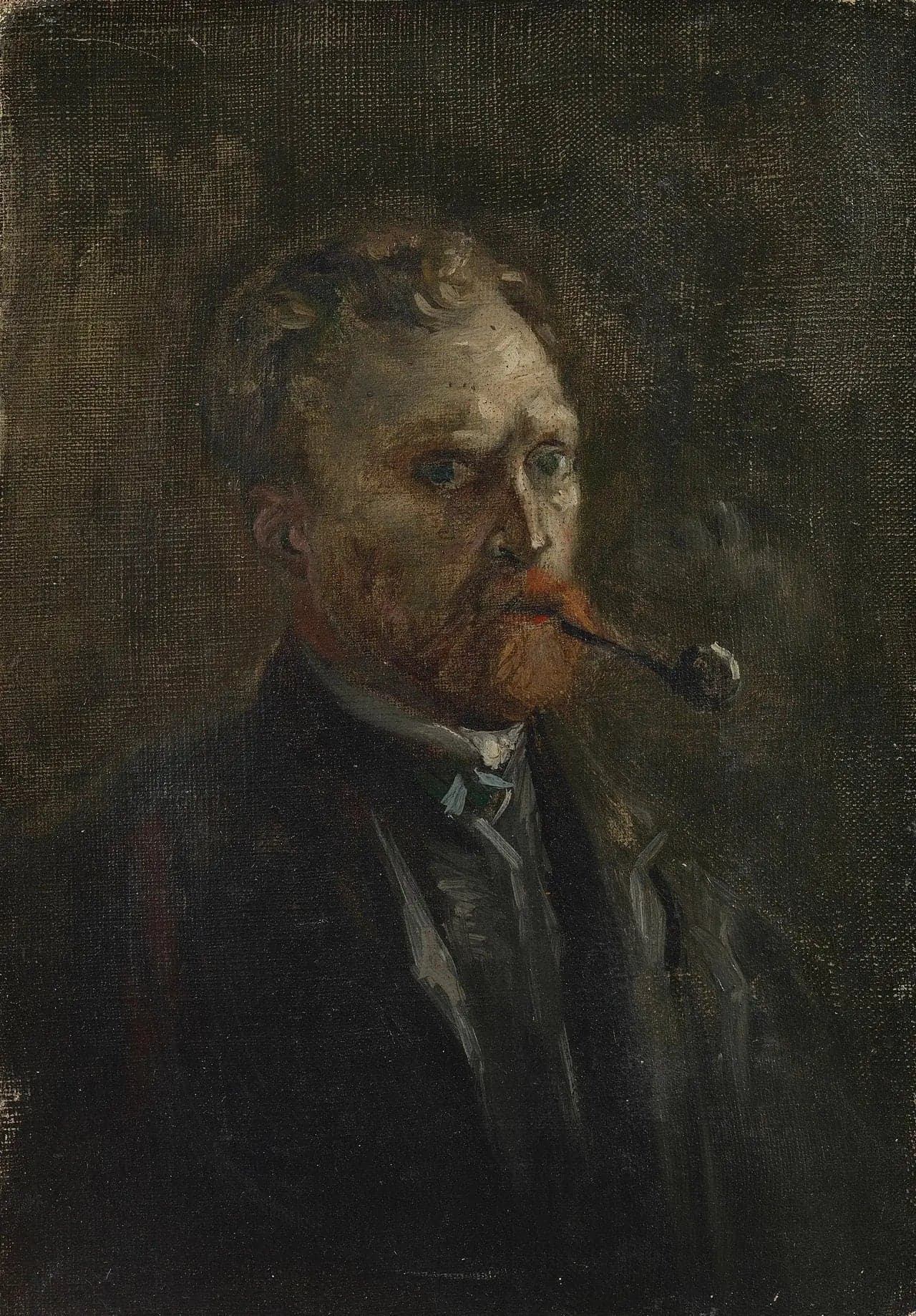
Self-portrait
Scene depicted
This painting emanates the direct expression of the artist's introspective gaze. The composition is dominated by Van Gogh's sincere face, surrounded by vibrant colors, all expressing the turmoil of his mind. The self-portrait is a unique exploration of his identity, revealing both fragility and strength.
Historical context
Created in 1889 in Saint-Rémy-de-Provence , as part of Impressionism , the painting Self-Portrait by Vincent van Gogh is situated at a turning point in the history of art. At that time, Van Gogh was deeply engaged in his quest for the expression of emotion through painting . This canvas is preserved at the National Museum where it continues to move art lovers. Its dimensions are 45 x 51.5 cm.
Place in the artist's career
The self-portrait stands as a milestone of maturity in Van Gogh's career. After promising beginnings with works like The Potato Eaters and a stylistic peak reached in Starry Night , this painting marks a period of deep introspection, where the technique evolves towards a more direct and emotional expression.
Anecdote
In the depths of his solitude, Van Gogh reportedly declared: "I only feel alive when I paint." This masterpiece is the result of an afternoon, on a spring day when the sun flooded his studio, nourishing his artist's soul and awakening his creative instinct. A moment of intense introspection, captured on the canvas .