Q125581124
- Original dimensions
- 109 x 138 cm
- Museum
- Not specified
- Year
- 1804
Scene depicted
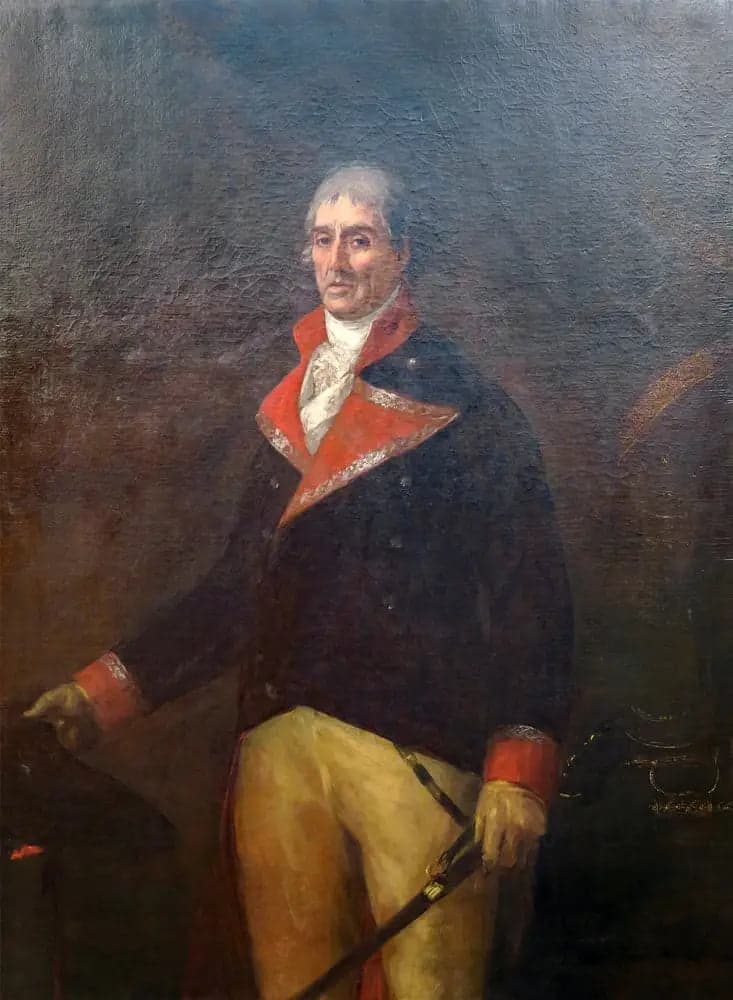
In this canvas , Goya depicts a scene imbued with moments of daily life where humanity coexists with nature in a troubling harmony. The figures, rendered with a disturbing finesse, evoke an atmosphere charged with emotion, revealing the complexity of human relationships through a prism of rich colors and deep shades.
Historical context
Created in 1804, during a period of profound social and political upheaval, this painting by Francisco de Goya finds its roots in Spain, highlighting the cultural richness of the time addressing the romantic movement. Standing at the heart of a tumultuous landscape, the canvas bears witness to the tensions between tradition and modernity. Its current location, although unspecified, praises its heritage in a prestigious collection, immortalizing Goya's vision on the canvas.
Place in the artist's career
A turning point in Goya's career, this painting marks a period of maturity, where the artist transitions from classical representation to a more intimate and symbolic exploration. When compared to the canvas “The Disasters of War” and “The Naked Maja,” one observes an evolution from formal rigor to a much more dynamic emotional expressiveness.
Anecdote
“The true essence of art lies in the power of the emotions it evokes,” Goya might have said, as he contemplated an inspiring scene on a misty morning in Madrid. It is in this setting that the magic of the painting took shape, capturing a vibrant reality that resonates with the soul of the viewer.