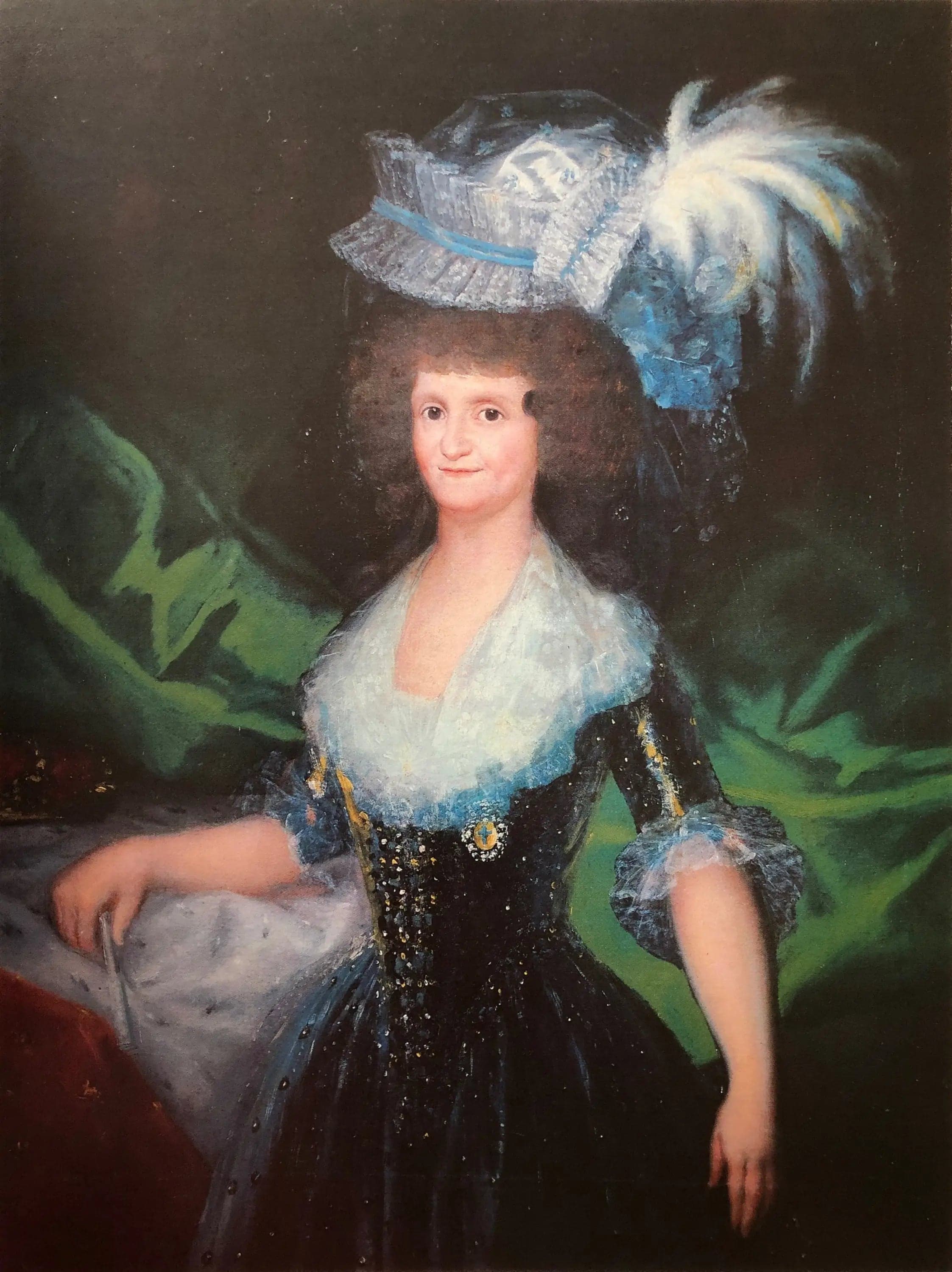
Q123172285
- Original dimensions
- 95.5 x 128 cm
- Museum
- Not specified
- Year
- 1789
Scene depicted
This painting poignantly depicts a scene that transcends time. The composition invites the viewer to dive into an atmosphere charged with tension and escape, an exploration of human emotions through the prism of the everyday. The pictorial narrative slowly unveils itself, emerging like a visual poem, inviting contemplation of the beauty and fragility of existence.
Historical context
Created in 1789, this painting embodies its roots in Spain, at a time when minds awaken to the social and political upheavals of the late 18th century. Inscribed in the emerging romanticism movement, the canvas reveals Goya's creative genius, then at the dawn of his career, while whispering the tensions of a transitional period. Currently, the painting is inaccessible to the public, but its artistic imprint endures in the collective imagination.
Place in the artist's career
With Q123172285, Goya marked a decisive turning point in his career, establishing the foundations of his narrative genius. This painting represents both a promising beginning and a reflection of his social concerns. It can be compared to works like “La Maja Desnuda” and “The Executions of May 3rd,” revealing how Goya explores through different eras the universal themes of human passion and social struggles.
Anecdote
“Light is the voice of the soul.” This quote from Goya resonates with the creation of this masterpiece , born under the sky of a sunny morning. The scene, illuminated by soft light, captures the fleeting beauty of moments that escape us, revealing the inspirations buried in the subtleties of his gaze. Each brushstroke captures the depth of an unprecedented emotion.