Portrait of the artist
Scene depicted
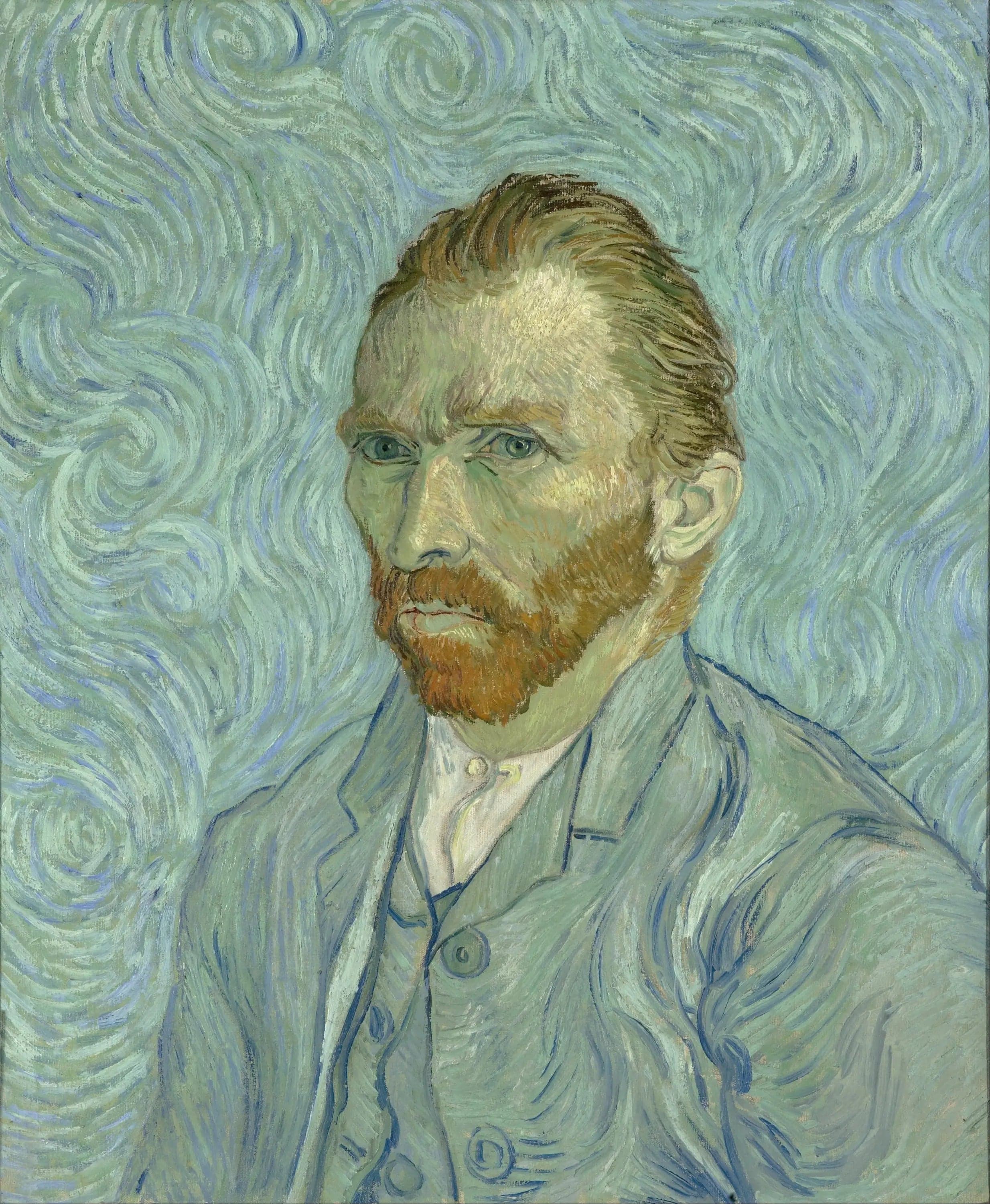
The painting “ Portrait of the artist - Vincent van Gogh ” is a poignant representation of the artist himself, expressing through his face the torments and passions that inhabited him. This canvas highlights the psychological depth of its creator and reveals the vulnerability of an artist in search of identity. The bold brush strokes and vibrant colors resonate with his personal story, uniting his state of mind with his artistic practice.
Historical context
Created in 1889, this painting is an iconic piece, made in the Saint-Paul-de-Mausole monastery in Saint-Rémy-de-Provence , and is part of the post-impressionist movement. It currently finds refuge at the Orsay Museum in Paris , where its canvas of 54.2 x 65 cm attracts the admiration of visitors, capturing the essence of a time rich in artistic emotions.
Place in the artist's career
This painting represents a pivotal moment in the career of Vincent van Gogh , testifying to his period of maturity. Through it, connections can be made with his other canvases such as “ The Starry Night ” and “ The Sunflowers ”, where he explores his sensitivity even more deeply. Each work reflects an emotional and technical evolution, tracing the tumultuous journey of an artist in search of light.
Anecdote
“Art is not a luxury, but a necessity of the heart.” These words resonate in the silence of a spring morning, where Vincent laid his eyes on the mirror of his own soul. The inspiration for this masterpiece was born from a moment of introspection, a divine union between the artist and his reflection, forever frozen in this canvas .