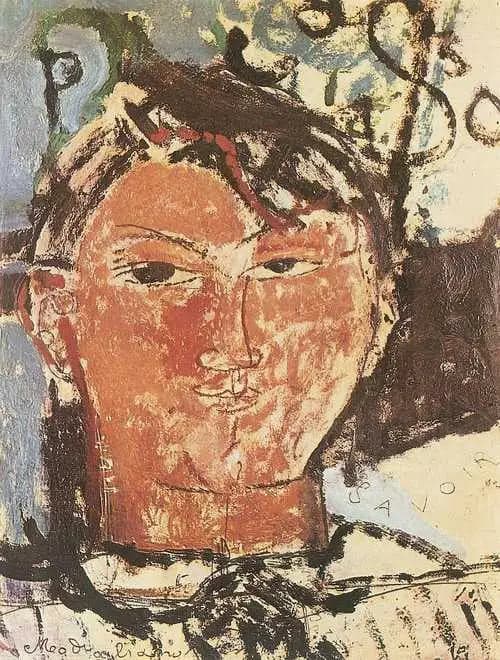
Portrait of Pablo Picasso
- Original dimensions
- 26.5 x 34.2 cm
- Museum
- Not specified
- Year
- 1915
Scene depicted
In this masterpiece, Modigliani captures the very essence of Picasso, transcending mere representation. The painting offers us an intimate look at the artist, revealing his complexity and genius. The delicate striation of lines and the harmonization of forms testify to the artistic communion between the two painters, providing a poignant glimpse into the bubbling creativity of that era.
Historical context
Created in 1915 in the vibrant city of Paris, this painting belongs to the fascinating period of the early 20th century, marked by the brilliance of modernism . Modigliani's painting stands out in the artistic movement of fauvism and cubism , combining a revolutionary aesthetic with a bold approach to portraiture. The timeless work, although not housed in a famous museum, continues to evoke the creative turmoil of its time.
Place in the artist's career
The portrait of Picasso stands as a major milestone in Modigliani's career, reflecting his boldness and originality. This painting, like other works such as "Nu couché" and "Tête de femme," marks a notable stylistic evolution, where he appropriates the techniques of the great schools while forging his unique identity. Modigliani asserts himself here as one of the masters of the early 20th century.
Anecdote
Modigliani, in a burst of creativity, said: "I paint portraits to keep the soul of my subjects alive." This quote resonates deeply as he settled on the banks of the Seine one sweet autumn morning. The golden lights and the whispers of the water inspired this painting , breathing life and character into the iconic face of Pablo Picasso, a friend and contemporary.