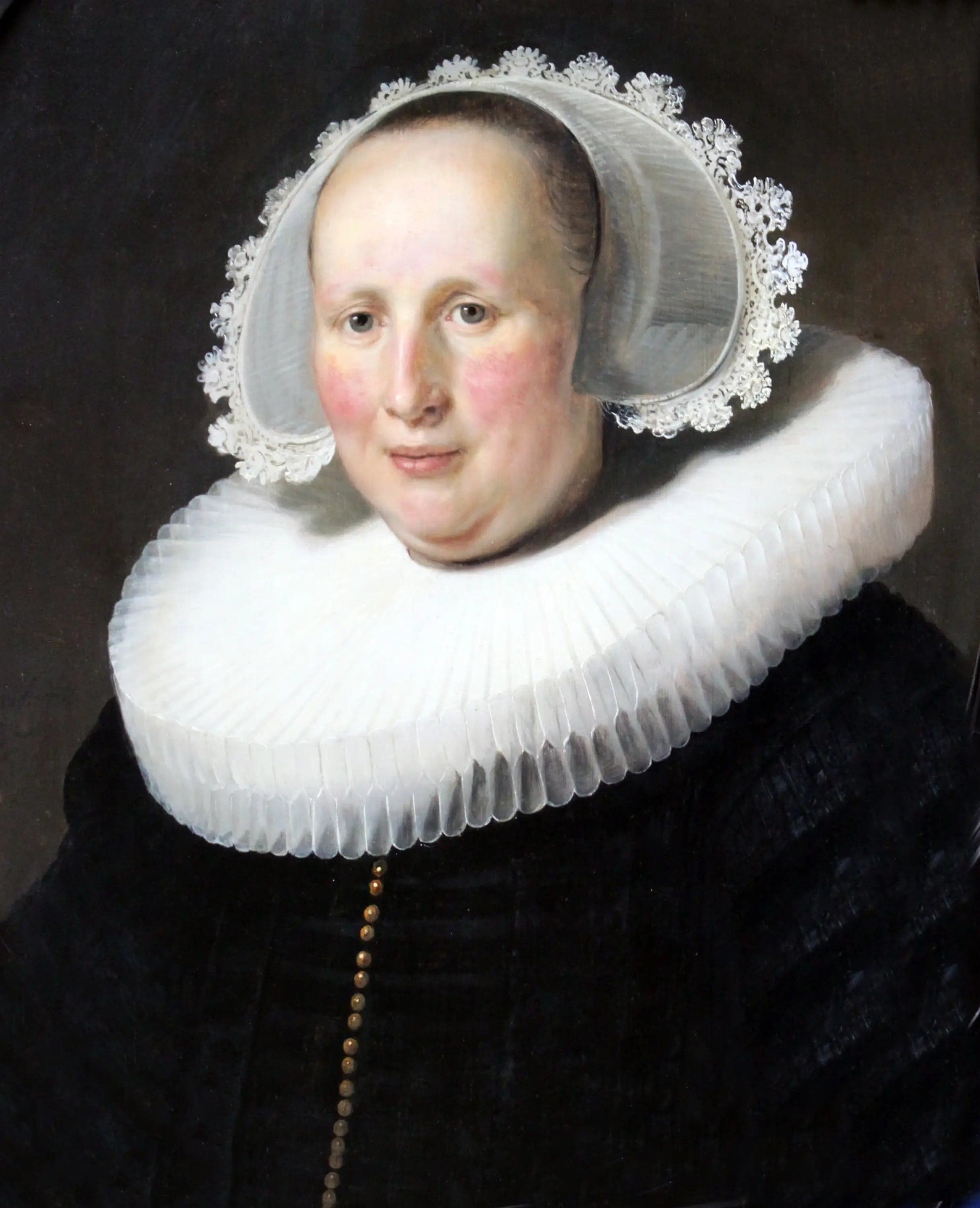
Portrait of Maertgen van Bilderbeecq, wife of Willem Burggraeff
- Original dimensions
- 55.2 x 67.4 cm
- Museum
- Städel Museum
- Year
- 1633
Scene depicted
This painting emblematic depicts Maertgen van Bilderbeecq with grace and dignity, symbolizing not only a wife but also the feminine strength of her time. The composition, intimately linked to the personal identity and social status of the model, reveals the complexities of bourgeois life in the 17th century, anchoring the viewer in a dialogue between the past and the present.
Historical context
Created in 1633, this painting unfolds in the prestigious setting of Amsterdam, captivating the gaze of art lovers thanks to its baroque heritage. Rembrandt , an iconic figure of Dutch painting, transcends mere representation to offer an intimate and personal vision of the model, who is currently at the Städel Museum , where the work continues to dazzle with its majesty and meticulously measured dimensions.
Place in the artist's career
This painting marks a milestone in the career of Rembrandt , illustrating his rise in artistic maturity. It can be paralleled with works like "The Night Watch" and "The Anatomy of Dr. Tulp", representing distinct phases of his journey, where the mastery of light and texture evolves, just like his pictorial themes.
Anecdote
"Light reveals the soul of a face, and each brushstroke tells a story." Inspired by a spring morning through a window, Rembrandt captured the feminine essence of Maertgen van Bilderbeecq, enriching his canvas with subtle hues and golden light, evoking an atmosphere of softness and calm. The narrative of this pictorial work finds its origin in a desire to immortalize the natural beauty and dignity of his subject.