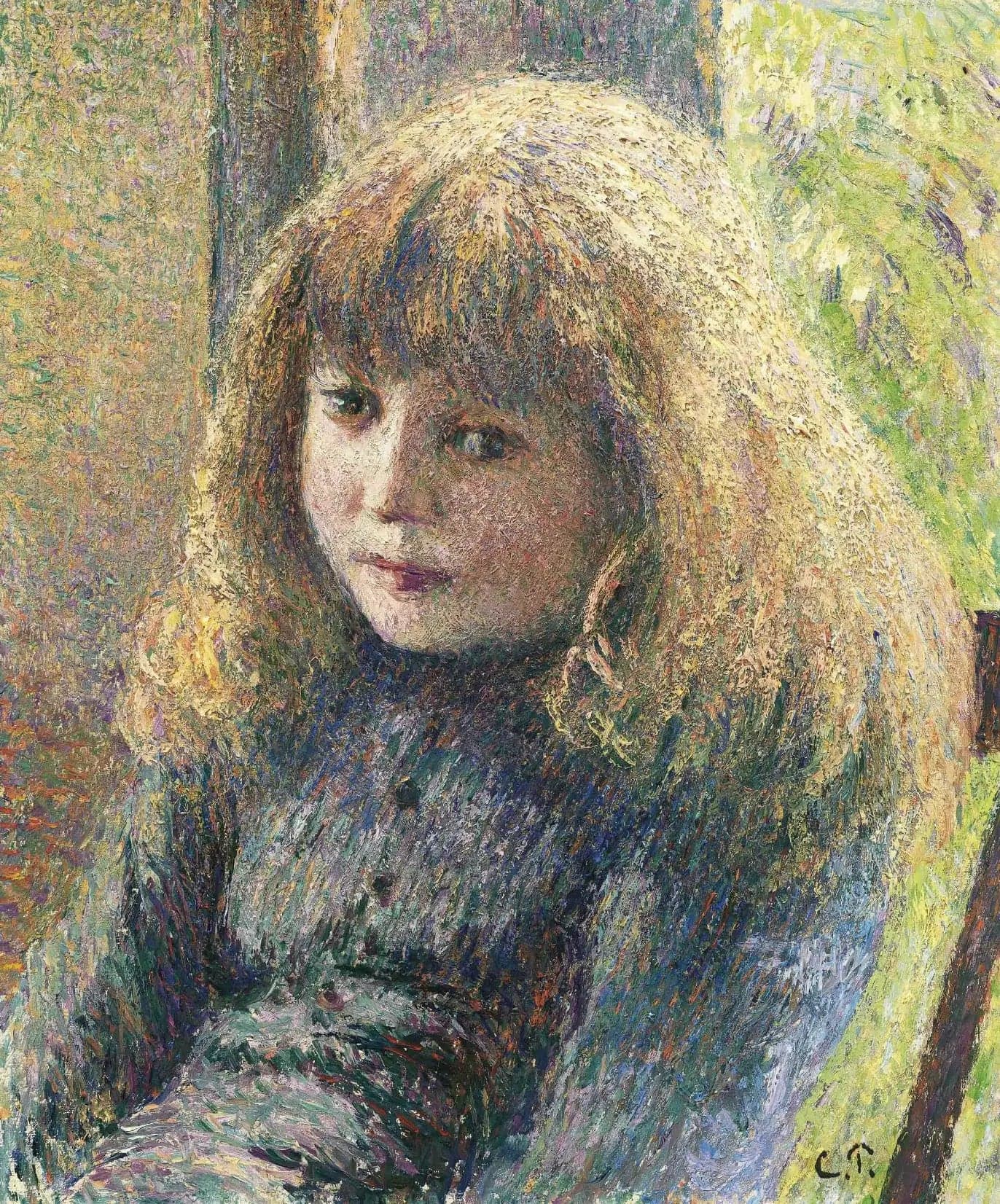
Paul-Émile Pissarro
- Original dimensions
- 33 x 41 cm
- Museum
- Not specified
- Year
- 1890
Scene depicted
In this painting, we discover an iconic scene of rural life, where human figures blend harmoniously with the surrounding nature. The vibrant colors and dynamic brushstrokes invite the viewer to feel the gentle breeze and hear the whisper of the leaves. Every detail contributes to a rich visual narrative, immersing us in the very essence of the Impressionist era.
Historical context
This painting , created in 1890, is situated in the beating heart of the Impressionist movement. Camille Pissarro , one of the pioneers of this artistic current, captured the light and daily life of that time through his canvas . At that time, France was in the midst of cultural effervescence, a fertile ground for bold artists. Although the current exhibition location of this masterpiece is not specified, its dimensions reveal a work designed to delicately catch the eye.
Place in the artist's career
This canvas represents a key milestone in the career of Camille Pissarro . It testifies to a stylistic peak, where his Impressionist approach reaches its maturity. When compared to two other works from his repertoire, “The Potato Harvest” and “Boulevard Montmartre, Spring,” one perceives the evolution of his technique and his ability to combine emotion and reality.
Anecdote
“Nature is the infinite source of inspiration,” said Camille. One spring morning, amazed by the play of light on the leaves of the trees, he began this painting . This canvas is not simply a composition, but a reflection of the emotions he felt when encountering this peaceful scene.