Mariana in the South
Scene depicted
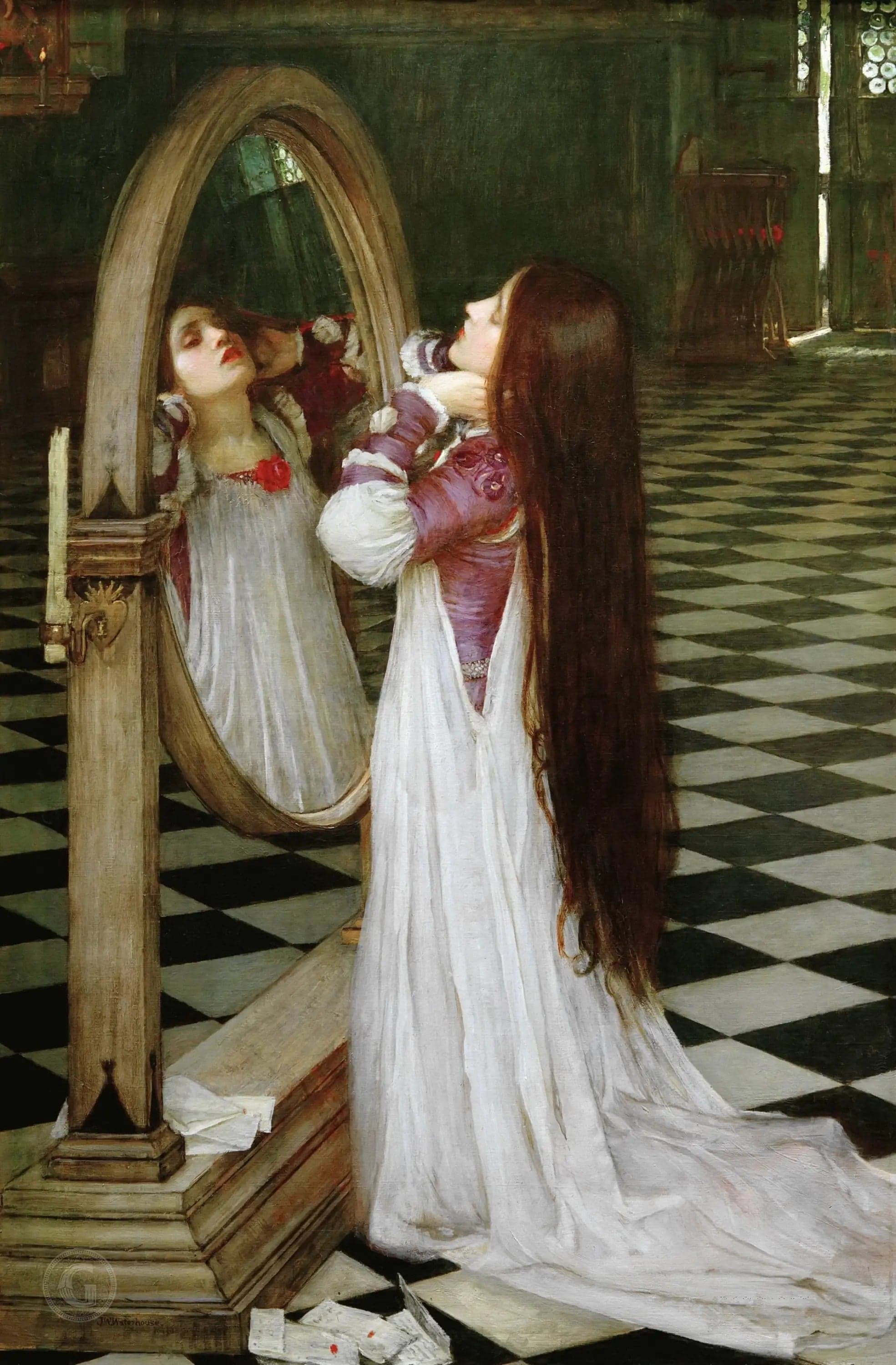
In this painting, Waterhouse invites us to discover Mariana, a romantic figure enveloped in the natural glow of the south. She is immersed in her melancholy, lost in her thoughts as she stands among the lush blooms. This captured moment, both intimate and contemplative, immerses you in a dreamlike atmosphere where time seems suspended.
Historical context
Created in 1897, the painting "Mariana in the South" by the famous English artist John William Waterhouse is part of the Pre-Raphaelite movement. This artistic movement, emerging in the United Kingdom, favors vibrant color and poetic themes. Originally, this canvas is currently in a private collection, recalling a time when the beauty of nature and the delicacy of human emotions converge.
Place in the artist's career
"Mariana in the South" stands as a remarkable milestone in Waterhouse's career, marking a period of full artistic maturity. Alongside it, paintings such as "The Daughter of Cain" and "Ophelia" reveal an evolution in his style regarding light and composition. The themes of solitude and femininity, while present in these works, find here a new depth through a nuanced use of color and shadows.
Anecdote
"Every brushstroke is a breath of my sensitivity," said Waterhouse, evoking the moment during a spring walk when he captured the essence of Mariana. On that sunny morning, the gentle breeze playing among the flowers inspired the artist to translate this peaceful scene into emotions on the canvas , giving all its evocative power to the pictorial work .