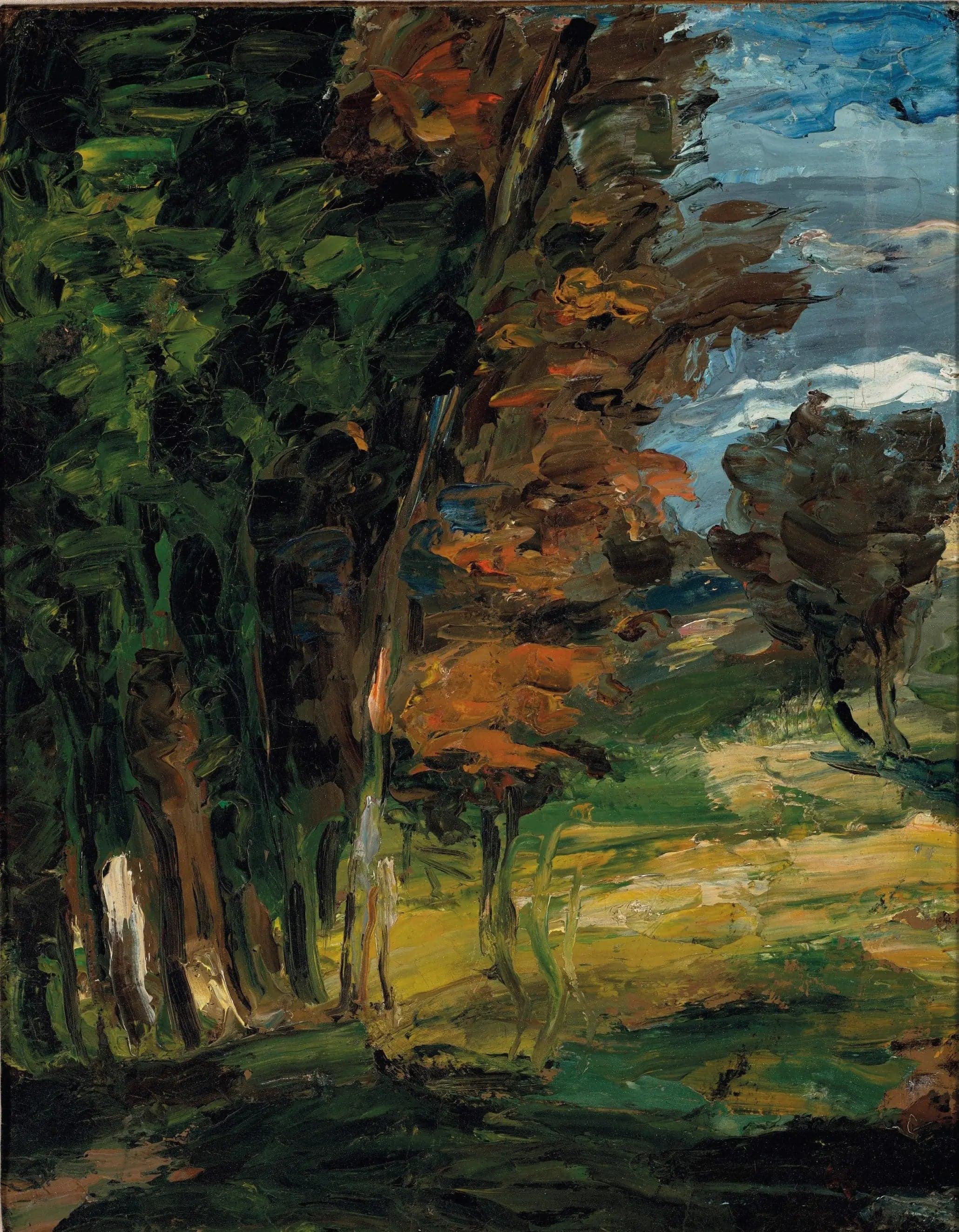
Landscape
- Original dimensions
- 38 x 46.1 cm
- Museum
- Not specified
- Year
- 1863
Scene depicted
In this canvas , Cézanne strives to depict a typical landscape, where the hills rise majestically, populated with soft shapes and lush vegetation. The sky, playful, breathes the brightness of a Provençal day, while the earth stands confidently, revealing the colorful nuances of nature. A harmony emerges, drawing the viewer into a suspended moment.
Historical context
Created in 1863, this painting is part of the post-impressionist movement, in Aix-en-Provence, Provence-Alpes-Côte d'Azur. At that time, the artist turned to an innovative approach, seeking to capture light and natural forms with unprecedented emotional intensity. The canvas , currently in a private collection, remains an essential reference of its time, measuring 38 x 46.1 cm.
Place in the artist's career
The painting “Landscape” is an important milestone in Cézanne's career, marking the beginning of his stylistic quest. It is situated between other significant works, such as “The Montagne Sainte-Victoire” and “The Large Bathers,” where the artist refines his technique, blending emotion and structure, offering unprecedented depth to each canvas .
Anecdote
“Nature is my only master,” said Cézanne, capturing the essence of his inspiration. He often painted at dawn, when the dew beaded on the leaves, and the light danced on the landscapes. This magical moment brought Landscape to life, a work where rurality meets art with palpable delicacy.