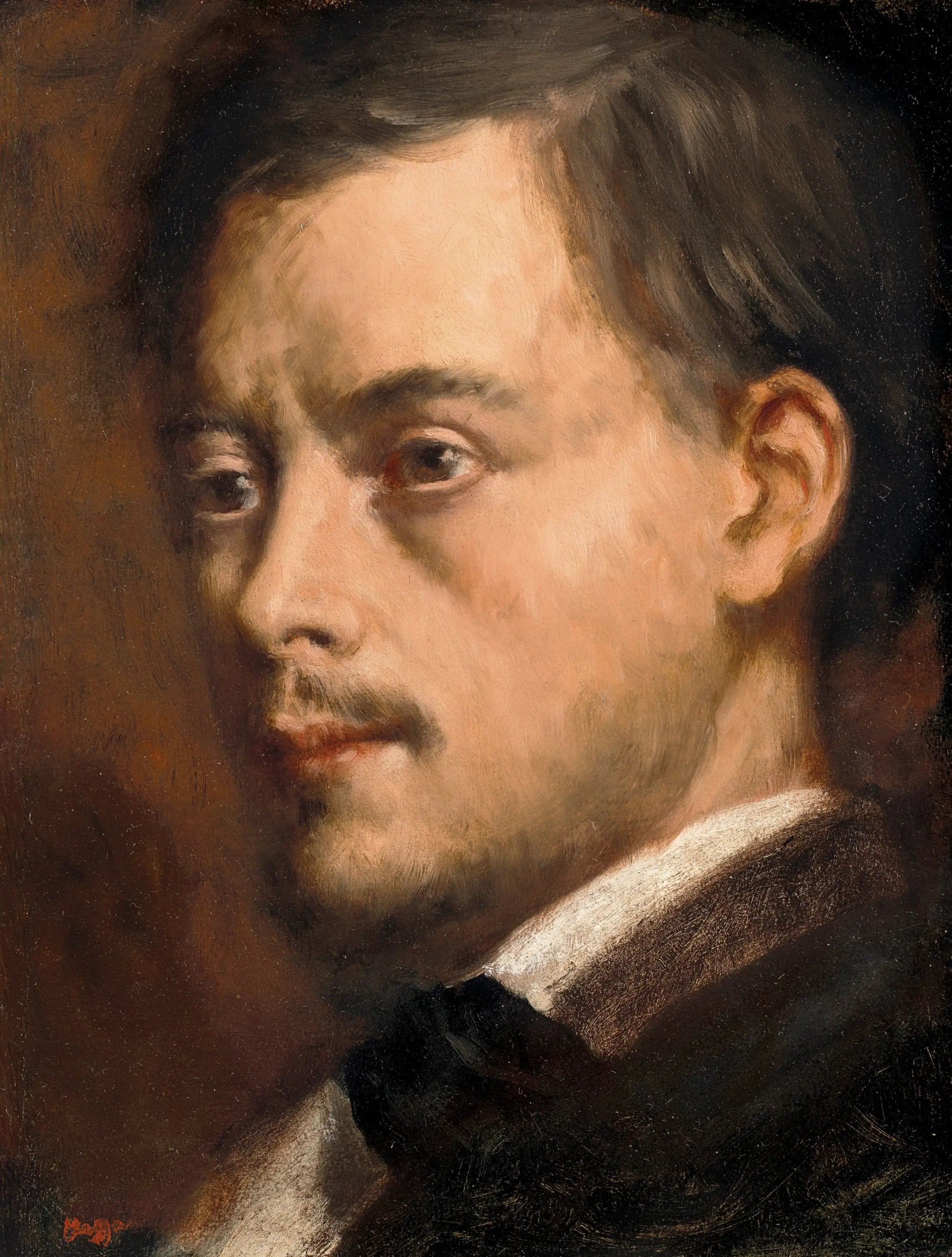
Head of a Man
- Original dimensions
- 23.8 x 31.1 cm
- Museum
- Not specified
- Year
- 1864
Scene depicted
The painting Tête d'homme immerses us in the intimacy of a face. Every nuance of color, every feature is an invitation to discover the soul of this character. With his gaze fixed on the horizon, light plays on the contours of his face, highlighting the expression of deep thoughts and inaccessible emotions. It is a work that transcends the simple portrait to offer a reflection on the human condition.
Historical context
Created in 1864, during the Impressionist period in Paris, this iconic painting , titled Tête d'homme , reflects the cultural and artistic blending of the French capital. This canvas unfolds in a context where artists seek to capture fleeting light and everyday life, marking a transitional time in the artistic journey. Today, the painting is part of a private collection, but it is not displayed in a specific museum, leaving a mystery over its legacy.
Place in the artist's career
The Tête d'homme represents a pivotal moment in the career of Edgar Degas . It is a phase where his style begins to stand out, preceded by works such as La Classe de Danse and followed by Les Danseuses au Foyer . This evolution reflects a mastery of light and forms, propelling his work towards a deeper introspection of the subjects he paints.
Anecdote
“The beauty of a face is drawn through shadows.” This quote from Degas resonates particularly when discussing the genesis of his masterpiece. Imagine a calm morning in Paris, where the noise of vehicles and passersby fades away. In a narrow alley, a man meets the artist's gaze, and it is this fleeting yet eternal moment that nourishes the painting with life and intensity.